Jul 30, 2026
Why Digitizing Fuel Level Measurement Is a Game-Changer for Refined Fuel Users

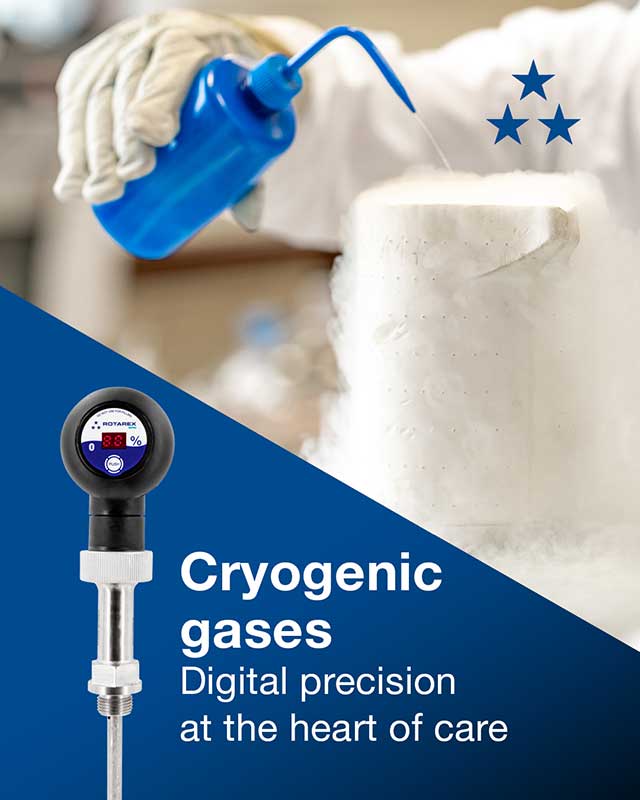
Cryogenic medical gases present a unique set of technical and operational challenges that make their management particularly demanding. Due to their cryogenic nature, these gases are stored at extremely low temperatures (sometimes approaching absolute zero) which requires the use of specialized equipment designed to withstand severe thermal and mechanical stress while ensuring high levels of safety and quality.
A key challenge lies in the very high expansion ratio between the liquid and gaseous states. When vaporized, cryogenic liquids expand dramatically. This large volume increase adds significant complexity to storage and distribution systems, requiring precise control of pressure, flow rates, and vaporization processes to ensure safe and stable operation.
Another essential aspect is the compatibility between the gas and the equipment used. For instance, oxygen requires strict material selection and oxygen-cleaning procedures to minimize the risk of ignition or combustion.
Finally, these systems operate under high operational complexity and strict regulatory constraints, requiring continuous supply, precise control, and full traceability.
Given these challenges, monitoring liquid levels is crucial for ensuring safe and efficient operations. Without reliable and continuous data, operators lack visibility on actual gas levels. This makes it difficult to anticipate demand, prevent shortages, and maintain safe and efficient operations. As a result, the need for advanced digital solutions becomes essential to ensure full control and reliability.
Cryogenic gases are widely used in the medical field, both for patient care and in medical technologies across health systems.
Accurate measurement is essential to ensuring the safe and reliable operation of medical gas systems. Without clear, continuous visibility into gas levels, healthcare facilities are exposed to significant risks, including unexpected shortages that can directly impact patient care and the continuity of treatment.
Real-time monitoring of key parameters such as gas levels allows operators to anticipate demand, maintain adequate supply, and avoid disruptions. It also plays a crucial role in enhancing safety by enabling early detection of abnormal situations and preventing critical incidents.
Furthermore, accurate measurement helps minimize gas losses and optimize resource management, ensuring that supply systems operate efficiently at all times.
In this context, the shift to digital monitoring solutions is a natural step, offering the visibility, reliability, and control needed to secure the supply of medical gases and support the uninterrupted delivery of patient care.
The adoption of cryogenic monitoring systems is transforming medical gas management in healthcare facilities. These advanced solutions rely on capacitance technology to continuously monitor liquid levels. By providing real-time data and remote access, they allow the user to anticipate demand, optimize supply, and ensure safety across critical installations.
These systems also provide increased visibility and control, enabling healthcare facilities to quickly detect anomalies, prevent supply disruptions, and maintain full operational reliability. Seamless integration with hospital infrastructure enables centralized supervision and better coordination between stakeholders, including gas suppliers and facility managers. As a result, digital monitoring is becoming an essential component of modern gas management strategies, promoting both performance and patient safety.
As a result, digital monitoring systems act as both a safety barrier and an essential lever for ensuring continuity of care, transforming gas management from a reactive process into a proactive and controlled operation.
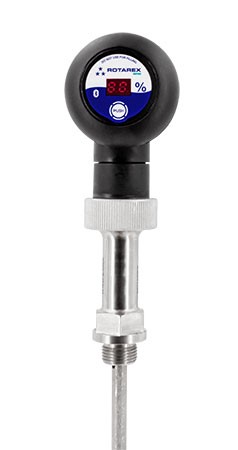
This is where solutions such as C-STIC play a crucial role, providing a complete product ecosystem combining intelligent sensor technology and connected devices to secure medical gas infrastructures and support the future of hospital facilities.
Cryogenic gases are essential to modern healthcare but come with significant complexity and risk. Ensuring their safe and efficient use requires more than traditional monitoring approaches, with a strong focus on safety and operational efficiency. Digital measurement and monitoring solutions provide the visibility and control needed to secure supply, improve efficiency, and maintain compliance. Moving toward smart, connected gas management is no longer optional. It is a key step in ensuring safety, performance, and continuity of care, and it represents the future of hospitals.