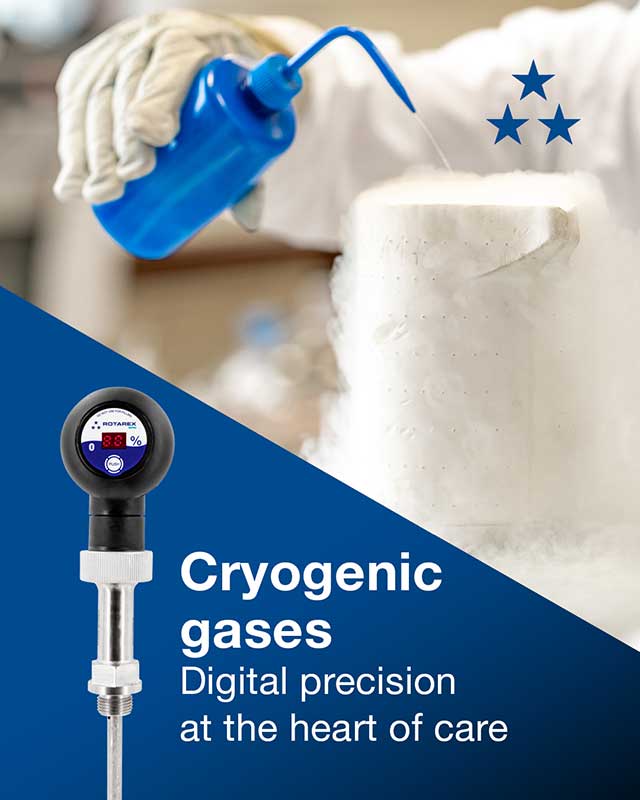
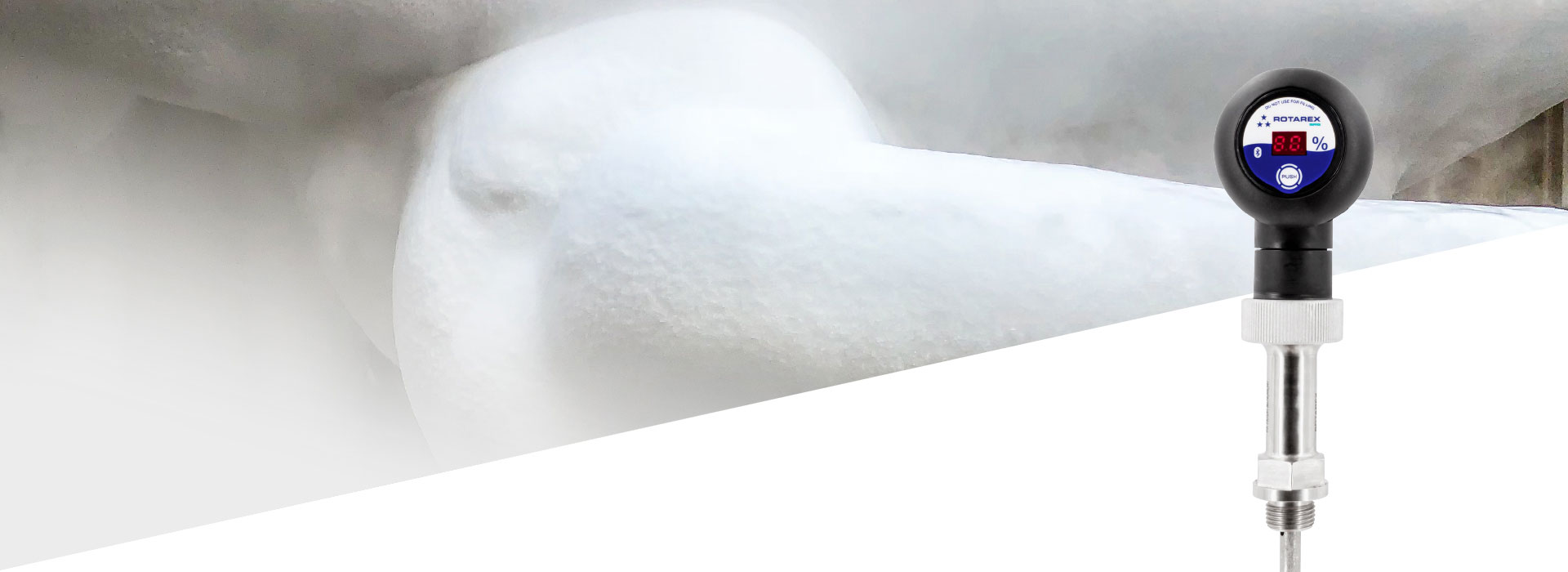
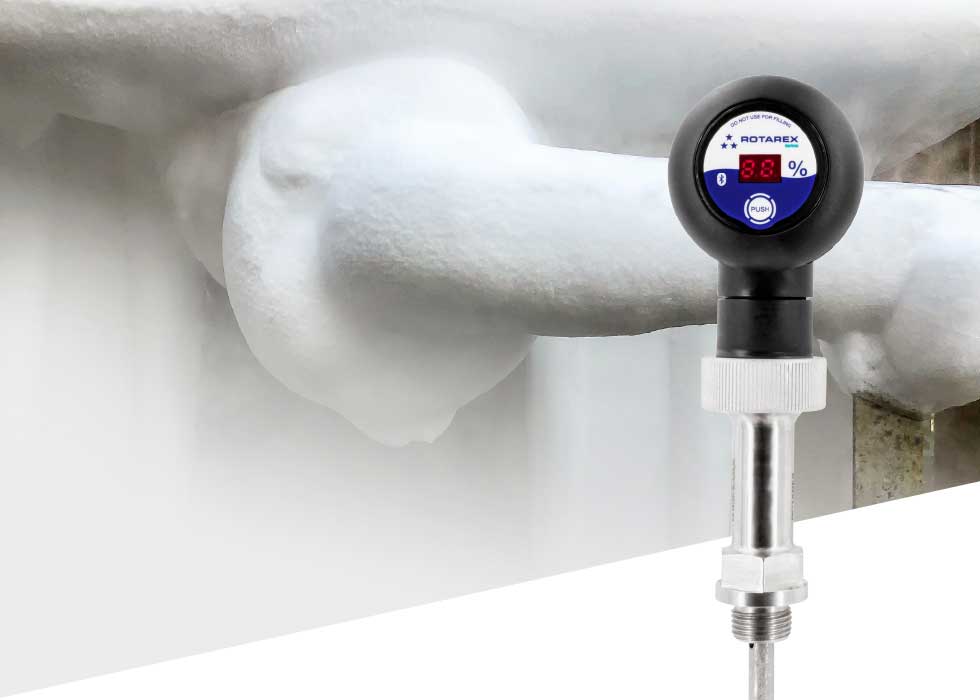
Digital Level Measurement for Cryogenic Gases

Measuring liquid levels in cryogenic storage tanks is one of the most complex challenges in industrial instrumentation. Extreme temperatures, pressure fluctuations, and the physical properties of cryogenic fluids make traditional measurement methods unreliable, inaccurate, and often dangerous.

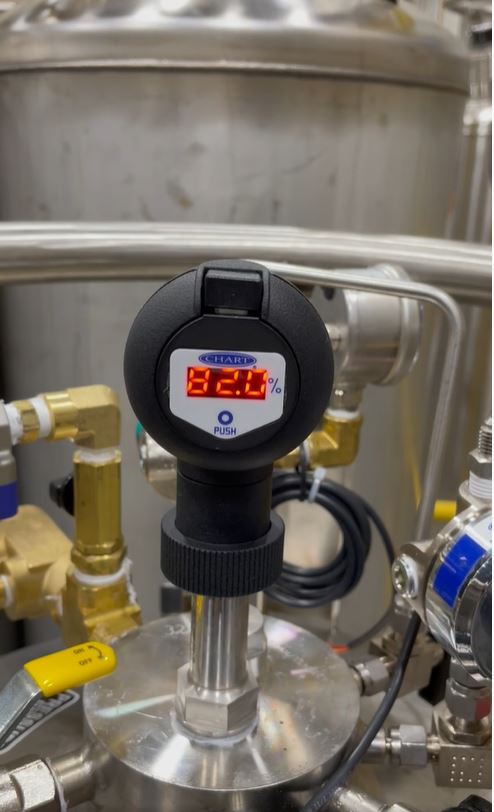
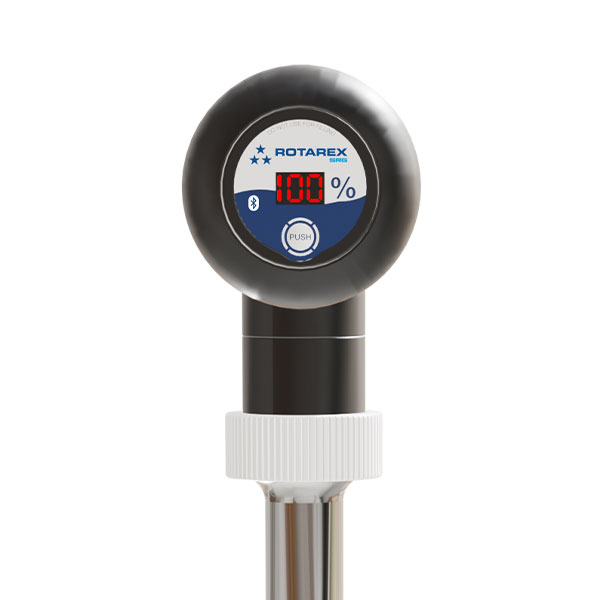
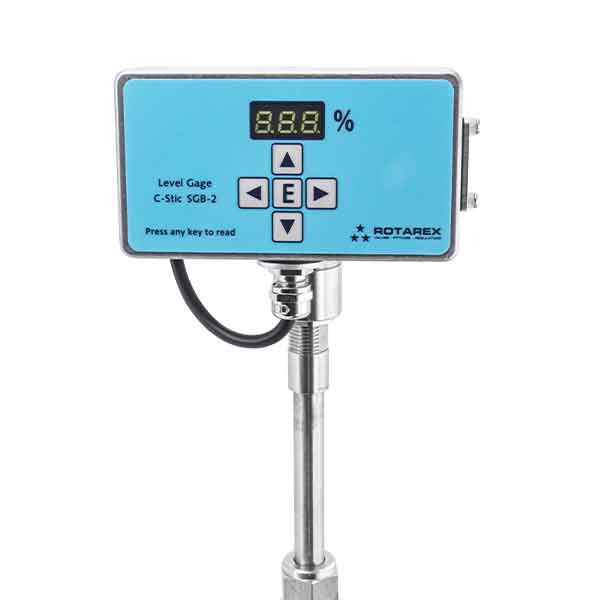
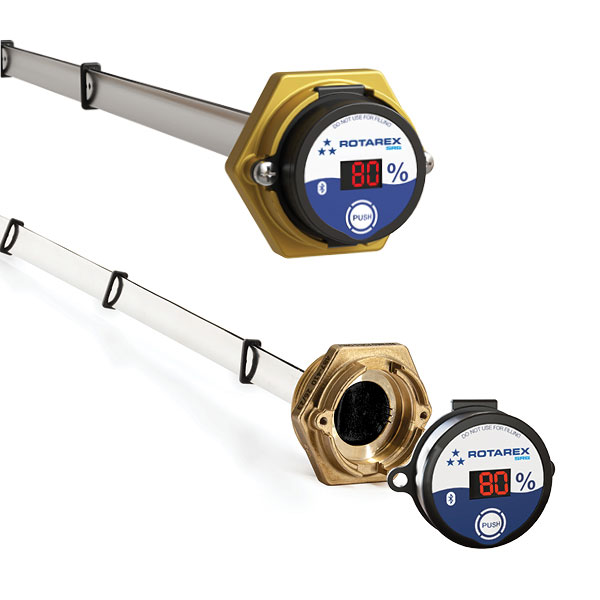
The Rotarex C-Stic is a digital gas level measurement solution, specifically designed to provide accurate and reliable level measurement of cryogenic gases. Thanks to Rotarex’s digital measurement technology, you get continuous and precise measurements in real time. Whether you store liquid nitrogen, liquid oxygen, liquid argon, liquid helium, carbon dioxide or LNG, our digital measurement solutions are designed to perform where standard instruments fail.

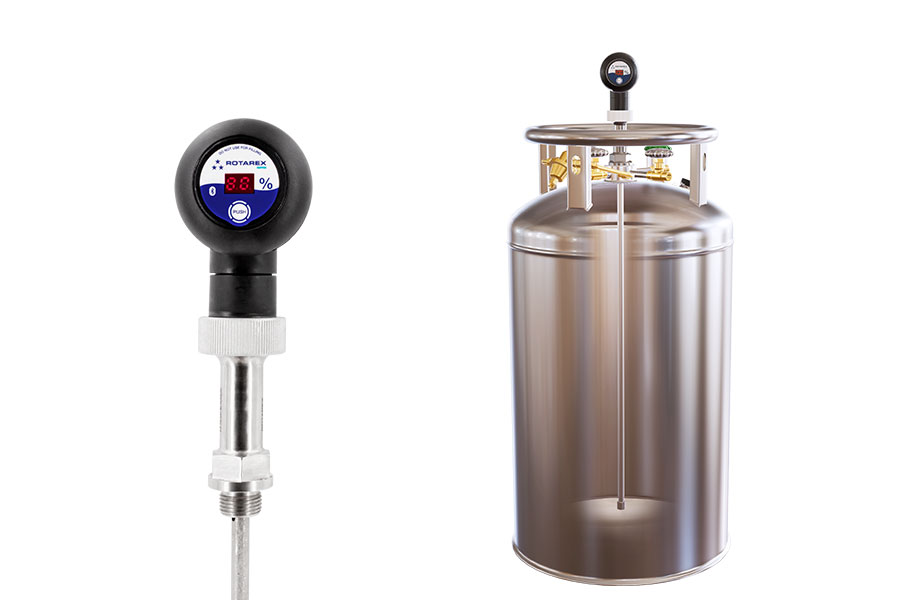
What is a cryogenic electronic level gauge?

A cryogenic electronic level gauge is an advanced instrument designed to provide precise cryogenic level measurement without the limitations of mechanical systems. Unlike traditional gauges, it uses electronic sensing to continuously monitor liquid levels inside storage tanks. As a complete solution for cryogenic level measurement, it integrates seamlessly with existing equipment and can transmit real-time data to remote monitoring systems. It is the modern standard for any operation that requires reliable and accurate level monitoring of cryogenic liquids.

What is a cryogenic electronic level gauge?
Key Features & Benefits

Key Features & Benefits

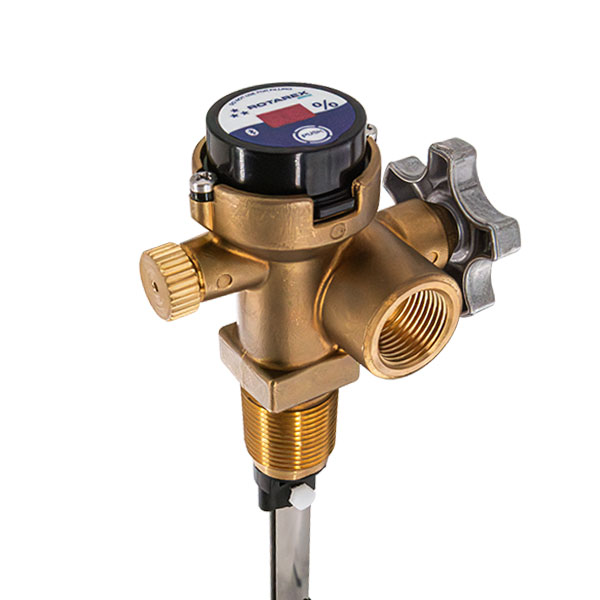
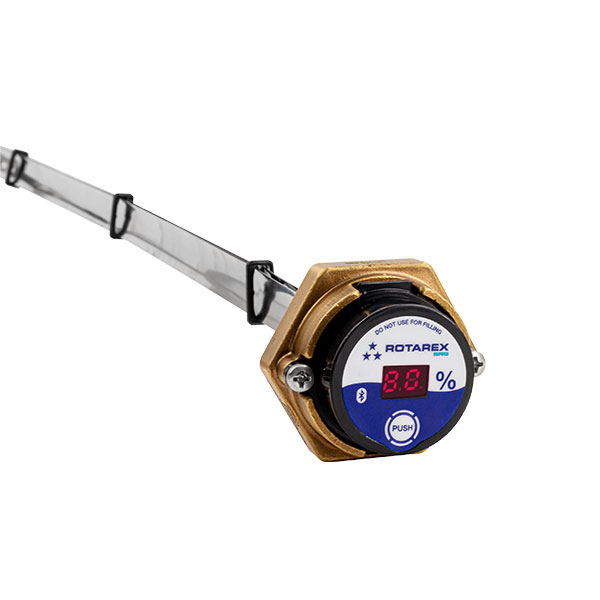
The digital pressure gauge for cryogenic gases is a high-quality product designed to provide accurate measurements, flexible installation options and long-term reliability. It combines state-of-the-art capacitive sensing technology with practical features for safe and efficient gas management.

Simplify measurement

Designed as a direct replacement for float gauges, it eliminates moving parts entirely, which significantly improves reliability and reduces maintenance over time.

Improve accuracy

The gauge delivers readings within +/- 1% over full scale, outperforming mechanical and pressure-based devices. A built-in thermal barrier protects the electronics from the influence of extreme cold temperatures, ensuring consistent performance even in the most demanding cryogenic environments.

Improve productivity

More accurate data means fewer emergency calls, fewer out-of-product situations, and a more efficient supply chain overall. With continuous monitoring, your team always has an up-to-date picture of inventory levels, making it easier to plan ahead and avoid costly disruptions.

How does a cryogenic level gauge work?

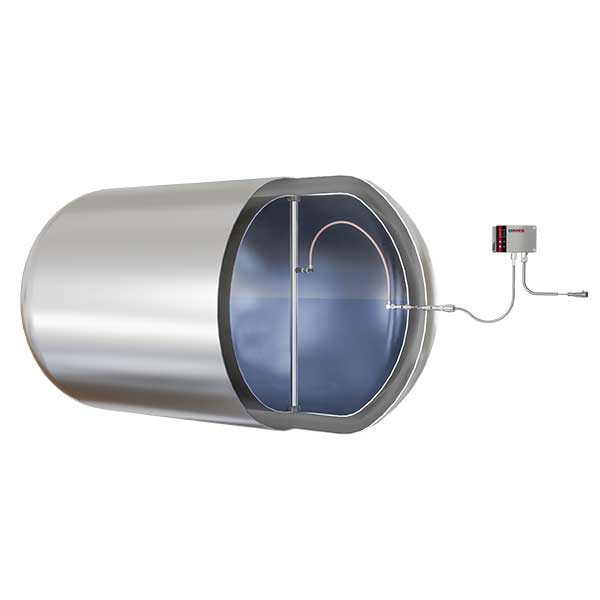
A cryogenic level indicator uses capacitance-based detection technology to measure the liquid level inside the tank. The sensor detects the difference in dielectric properties between the liquid and vapor phases and automatically converts this into a continuous and accurate level measurement. Since cryogenic fluids such as liquid nitrogen, oxygen, carbon dioxide and argon have predictable dielectric values, the measurement remains extremely accurate even when temperature and pressure conditions fluctuate inside the tank.

This robust solution is specifically designed to operate in extremely cold environments, where traditional mechanical gauges freeze, wear out, or simply stop working. With no moving parts, the gauge eliminates the points of failure inherent in float-based systems, thereby reducing downtime and long-term maintenance costs.

How does a cryogenic level gauge work?
What are the applications of the C-Stic level gauge?

What are the applications of the C-Stic level gauge?

  • Cryogenic applications: The C-Stic level gauge is specifically developed to meet the stringent requirements of cryogenic environments across a wide range of industries.
  • Food industries: Cryogenic gases play a key role in rapid cooling and freezing during food processing, as well as inerting in food packaging to extend shelf life and preserve product quality.
  • Beverage industries: CO2 is essential for the carbonation of soft drinks, sparkling water, and beer. It is also used to pressurize and dispense beer and other carbonated beverages in bars and restaurants, making reliable level monitoring a critical part of daily operations.
  • Healthcare systems: medical gases are stored in cryogenic cylinders to supply the entire hospital infrastructure, supporting applications such as trauma care, oxygen therapy, anesthesia, cryo-preservation and cryosurgery.

Codes

nC (not connected)

  • Description: the display (dial) does not receive a signal (or wrong signal)
  • Details: in order to operate properly, the display (dial) must receive the proper signal from the sensor (probe)
  • Root Cause: missing intial factory calibration or hardware problem (e.g. broken sensor pins or wrong orientation of the connection cable)
  • Suggested resolution: check the sensor pin / check the proper wiring scheme between the sensor and the display (dial) or replacement of the complete C-Stic

uL (underLoad)

  • Description: measured sensor value is smaller than empty
  • Details: based on the initial factory (empty) calibration, the C-Stic is reading a lower value than originally define (below zero)
  • Root Cause: this error-message indicates a factory calibration error or hardware problem
  • Suggested resolution: replacement of the complete C-Stic

oL (overLoad)

  • Description: measured level is (virtually) beyond 150%
  • Details:the C-Stic is reading a value beyond the maximum limit (150%)
  • Root Cause: this error-message indicates a wrong "calibration to Full" setting (calibration to full was performed before the cylinder was properly/completely filled) or hardware problem
  • Suggested resolution: remove some product from the cylinder until the display reads 100%, now recalibrate to full, then start to fill the cylinder again and repeat the "calibration to full" procedure multiple times during the fill (every 20% of product you add = repeat the calibration to full procedure) or replacement of the complete C-Stic

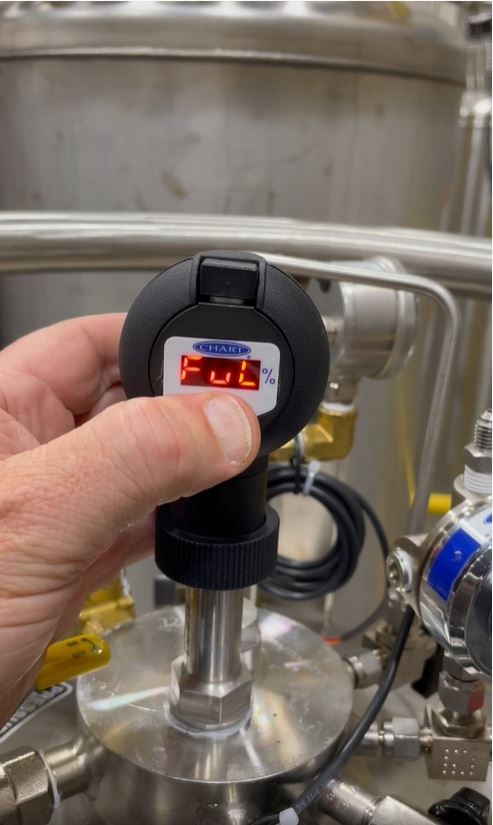
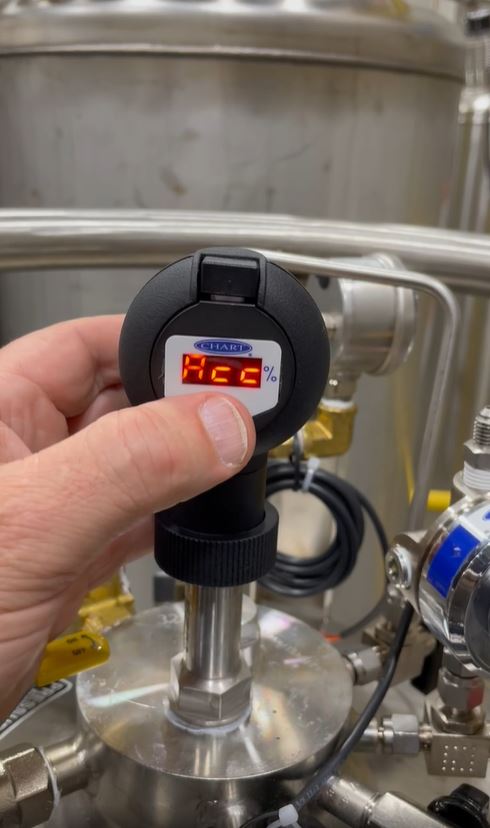
Ful

  • Description: first step of the "calibration to Full" sequence
  • Details: device entered into the calibration mode
  • Note: Please follow the dedicated "calibration to Full" procedure

Acc

  • Description: second step of the "calibration to Full" sequence;
  • Details: user has to confirm to perform adjustment
  • Note: Please follow the dedicated "calibration to Full" procedure

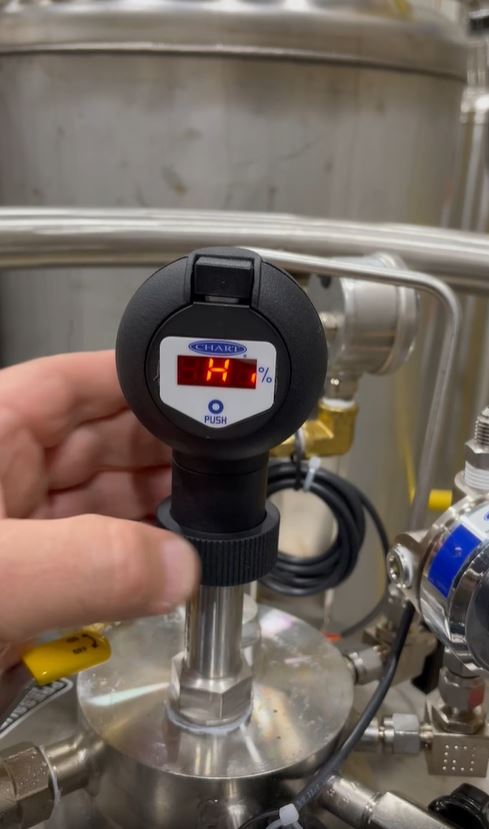
Hi

  • Description: acknowledgement from device on successful adjustment
  • Details: this indicates that the calibration to full has been successful
  • Note: Please follow the dedicated "calibration to Full" procedure

Err

  • Description: feedback from device to indicate unsuccessful adjustment
  • Details: no changes have been made
  • Root Cause: at very low ambient temperatures the battery power might not be sufficient to perform the full calibration sequence
  • Note: Please repeat/follow the dedicated "calibration to Full" procedure (at a later time when the ambient temperature has improved)
Specifications
MaterialPA 6.6 Black
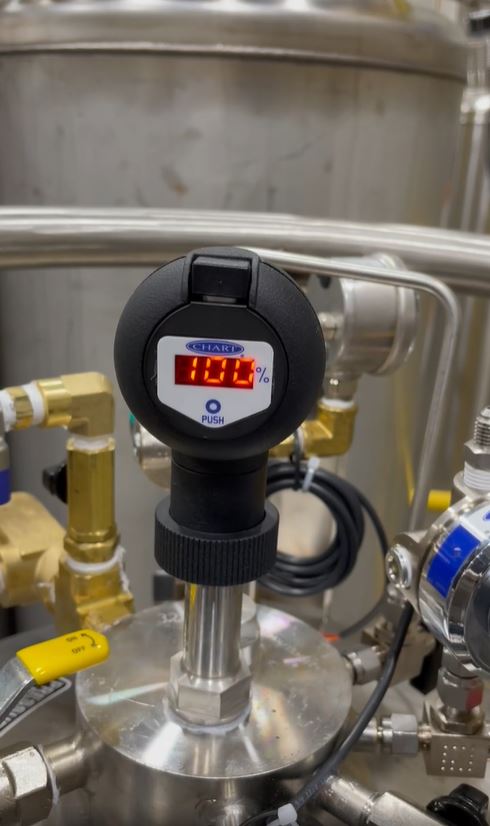
Display3-digit red LED (in % full)
powerCoin-battery 3V (CR2032)
External SV (JWPF)
connectionsM35x1
CommunicationJWPF Outlet Connector
0.5-4.5V @ 5V
Reading on demand / On-Site full calibration
Operating temperature-20 to 60°C (-4°F to +150°F)
FAQ
What is a cryogenic level gauge?

A cryogenic liquid level gauge is a device used to measure the amount of liquid inside a cryogenic storage tank. It is an essential piece of cryogenic equipment that helps operators monitor their gas supply in real time, avoid unexpected runouts and manage their inventory more efficiently. Unlike standard level gauges, it is specifically designed to withstand extremely low temperatures.

What is the best way to measure cryogenic liquid levels?

The most reliable way to measure cryogenic liquid levels is to use a digital cryogenic liquid level gauge. Unlike traditional float-based systems, digital gauges have no moving parts, which means less maintenance and more consistent readings over time. For any critical cryogenic equipment setup, a digital solution also makes it easier to integrate remote monitoring and automate alerts when levels drop below a threshold.

How does a cryogenic level gauge work?

A cryogenic liquid level gauge works by using capacitance technology to detect the liquid level inside the tank. A probe is inserted into the cryogenic equipment and as the liquid level changes, the capacitance signal changes accordingly. This signal is then converted into a precise level reading, displayed digitally and available for remote monitoring systems.

Which gases is the C-Stic compatible with?

The C-Stic is compatible with a wide range of cryogenic gases, including liquid nitrogen, carbon dioxide, nitrous oxide, and argon. If you have a specific gas or application in mind, feel free to contact us to confirm compatibility.

Is the C-Stic available for LPG tanks and cylinders?

The C-Stic is specifically designed for cryogenic applications and is not available for LPG tanks or LPG cylinders. For LPG and fuel storage applications, we offer a dedicated solution built to handle the specific requirements of those environments. Learn more about our C-Flex gauge, engineered with a special design to deliver accurate and continuous level measurement for LPG tank and fuel supply applications.

How to calibrate the c-stic?
Cylinders should be filled to the maximum allowable DOT fill weight for the target gas service on a digital scale prior to the calibration.
Allow the gas to expand in the sensor for 2–3 minutes prior to calibrating (allowing the sensor to cool down to the same temperature as the liquid / gas).
Though the FULL calibration can be repeated at any time, it isn’t necessary after the first fill.
Attention: This C-Stic must be calibrated to read 100% full during the first fill. There is no empty calibration required. The whole procedure should be done while the display shows the values. Otherwise, you need to restart.
Note: If out of range (level < 10% or level > 900%) it will show "Err" instead of "Hi"
If battery level is too low for a (reliable) re-calibration, it also shows "Err"
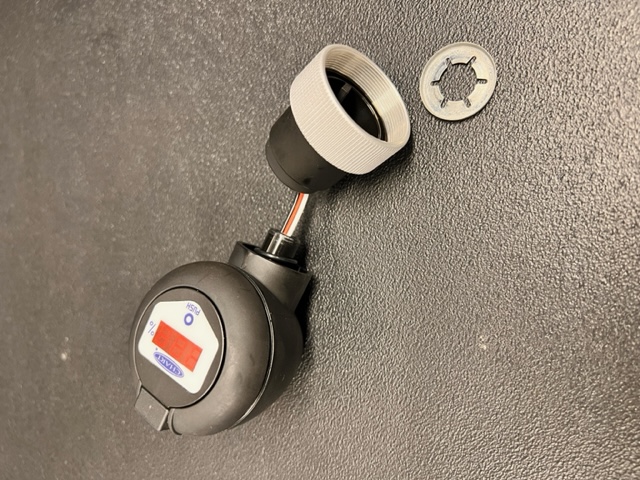
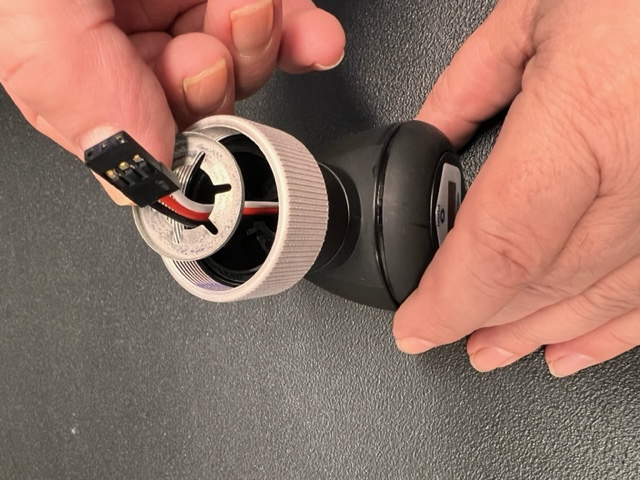
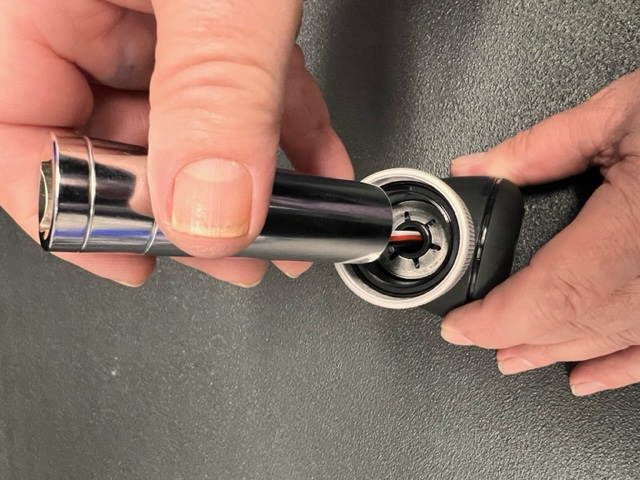
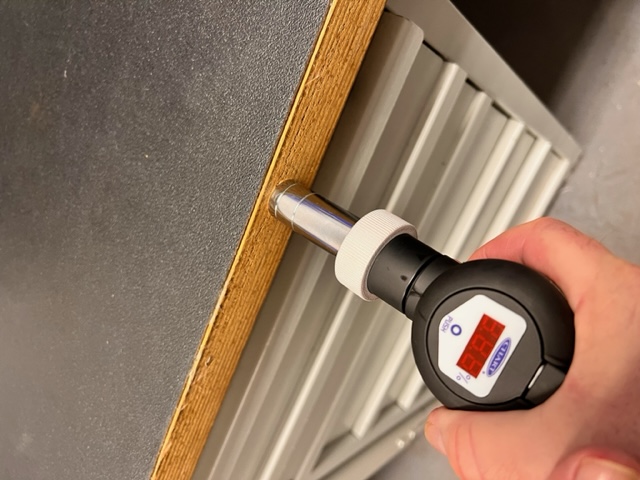
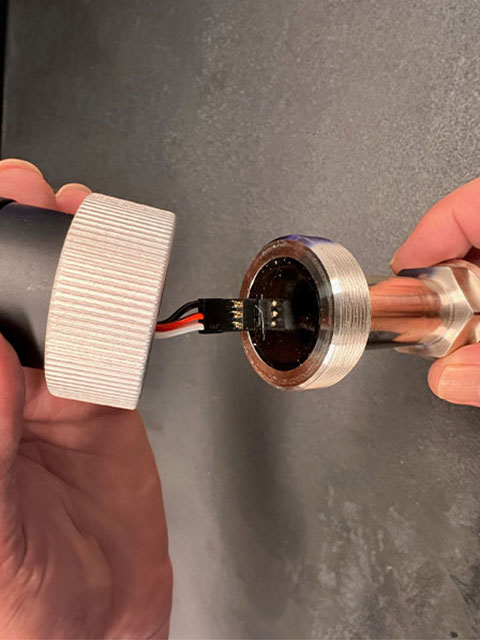
Is it possible to repair the rotating display?

Shall you experience a transportation damage – don’t worry the new C-Stic was build to allow easy maintenance & repair
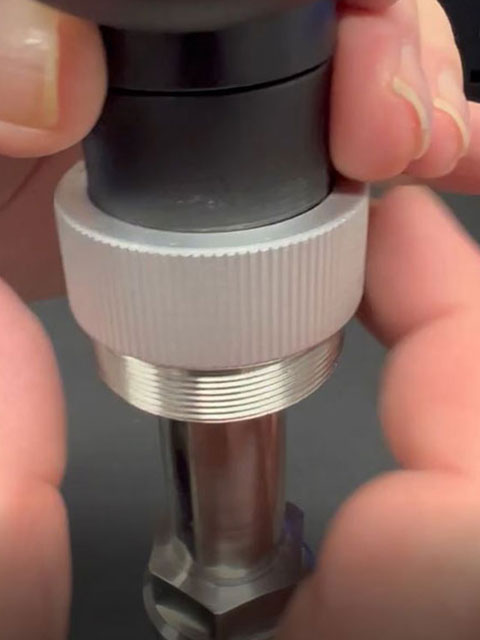
Follow the following steps to repair the rotating display

Request Form
Face Viewv
Internal height of the tank/cylinder (L)
Unit of measurement
Threaded connection tank/cylinder (D)
Custom threaded connection tank/cylinder (D)
Head specification (H)
If available, please give manufacturer code (e.g. DuraCyl230)
Sealing
Custom sealing
Medium/gas
Custom medium/gas
Display
X OK
Connect with an Expert
×
Loading